Where Do Profiteroles Come From? From France to Istanbul
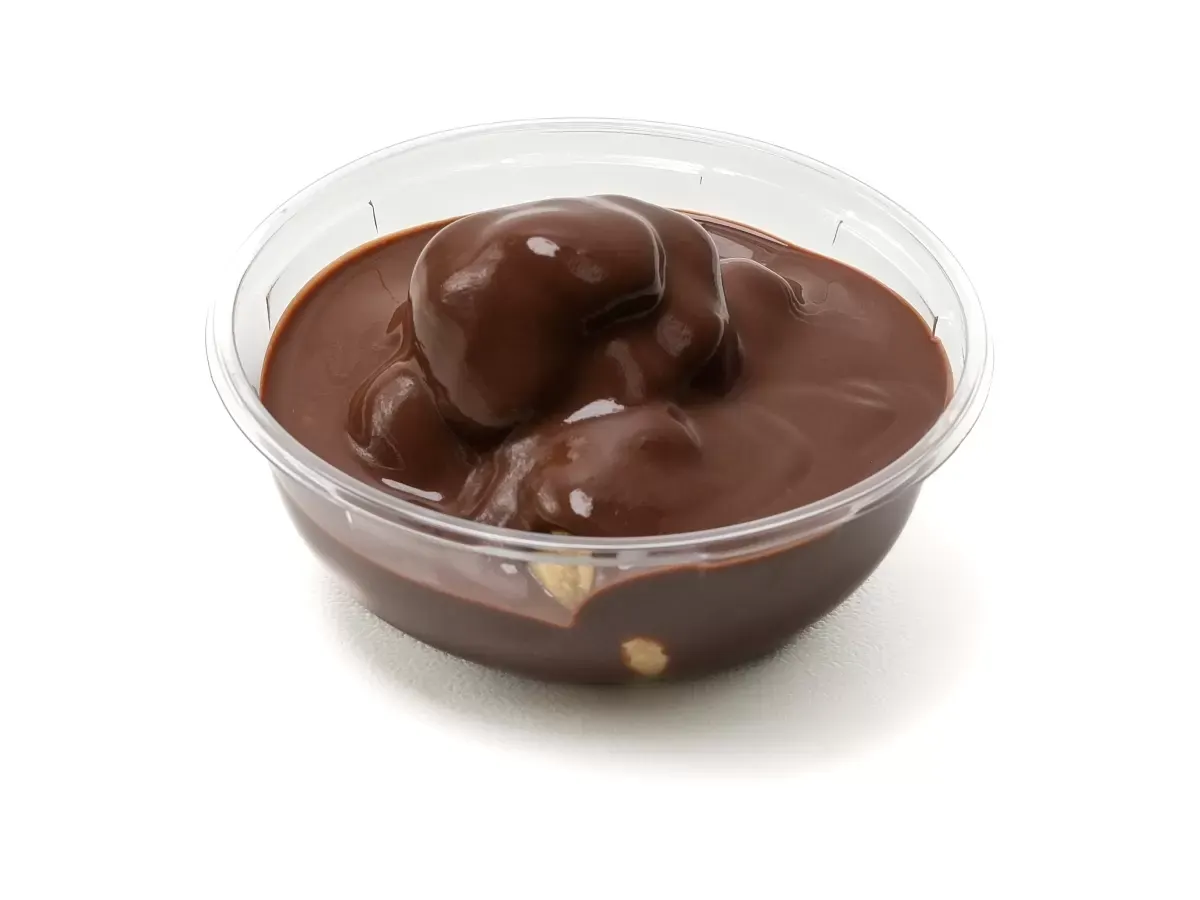
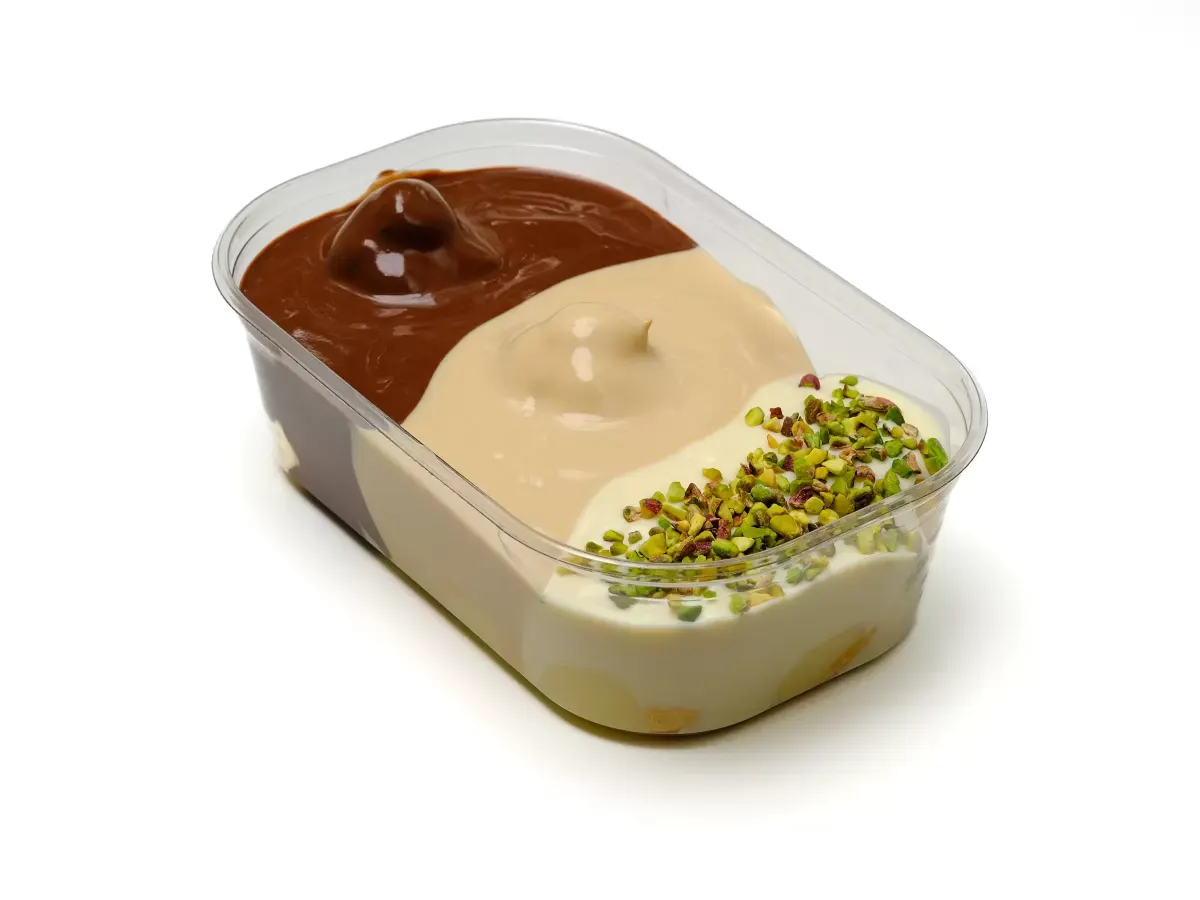
Short answer: Profiteroles are French. Both the name and the dough come from France. The version Istanbul is famous for, a bowl of cream-filled choux buns sunk in rich chocolate sauce and served cold, is the city's own interpretation. Profiteroles were born in France and found a second home in Istanbul.
What is a profiterole?
A profiterole is a small ball of pâte à choux (choux pastry), the same dough used for éclairs and cream puffs. Choux is cooked from water, butter, flour and eggs. It puffs up in the oven and stays hollow inside, and that hollow is filled with cream.
What does "profiterole" mean?
The French word profiterole roughly means "a small profit" or "a small treat", and it has been used in cooking since the 16th century. Surprisingly, the first profiteroles were not sweet. In the 17th century the name meant small hollow bread rolls with savory fillings, sometimes served in soup. French cookbooks from 1698 include recipes for "profiterole soup".
A short timeline
- 16th century: The word appears in French cooking. A popular story says Catherine de' Medici's chef, Popelini, invented choux pastry in 1540, but historians treat this as a legend.
- 17th century: Profiteroles are a savory dish of filled bread rolls.
- Mid-18th century: Pastry cook Jean Avice develops the dough and makes small cabbage-like (chou) buns, which gives choux pastry its name.
- 19th century: Antoine Carême refines the choux recipe used today. By the 1860s a profiterole is described as a small choux bun, and in 1887 cookbooks list cream-filled profiteroles glazed with chocolate or coffee.
- 20th century, Istanbul: From the 1940s, Istanbul's long-standing pastry shops give profiteroles a style of their own. Served in a bowl, cold, with plenty of chocolate sauce, they became one of the city's signature desserts.
French profiteroles vs. Istanbul profiteroles
In France, profiteroles usually come on a plate. A few buns are filled with cream or ice cream, and warm chocolate sauce is poured over them. In Istanbul, profiterole is a bowl dessert: cream-filled choux buns float in thick chocolate sauce and are eaten cold, with sauce left for the very last spoonful. If you are visiting Istanbul, this is the version to try.
Curious how éclairs and profiteroles differ? Read The Difference Between Éclairs and Profiteroles.
Since 1946: Nazar Profiterol
Nazar Profiterol was founded in 1946 in Kurtuluş, Istanbul, by Haralambos Dados. We have made profiteroles with the same recipe for three generations. Today we make everything from scratch every morning in our 3,000 m² kitchen in Şerifali. We use real Belgian Callebaut chocolate and fresh dairy cream, and nothing is kept for the next day.
For more on what makes a great profiterole, see What Is a Profiterole?.
Where to eat profiteroles in Istanbul
You can try our classic, Gold chocolate, white chocolate and sour cherry–pistachio profiteroles at our shops in Kurtuluş, Maslak 1453, Ziverbey (Kadıköy), Suadiye, Maltepe, Kavacık and Şerifali. Every shop is open seven days a week. You can also order online for pickup or delivery within Istanbul.
FAQ
Where do profiteroles come from?
Profiteroles come from France. The bowl-style version with lots of chocolate sauce, served cold, is Istanbul's own take.
Are profiteroles Turkish?
They are not Turkish in origin, but the way they are served in Istanbul has made them a distinct and much-loved dessert in Turkey.
What does the word "profiterole" mean?
It is French for roughly "a small profit" or "a small treat" and has been used in cooking since the 16th century.
Are éclairs and profiteroles the same?
Both use choux pastry. An éclair is long and glazed on top, while profiteroles are small round buns served with sauce.